
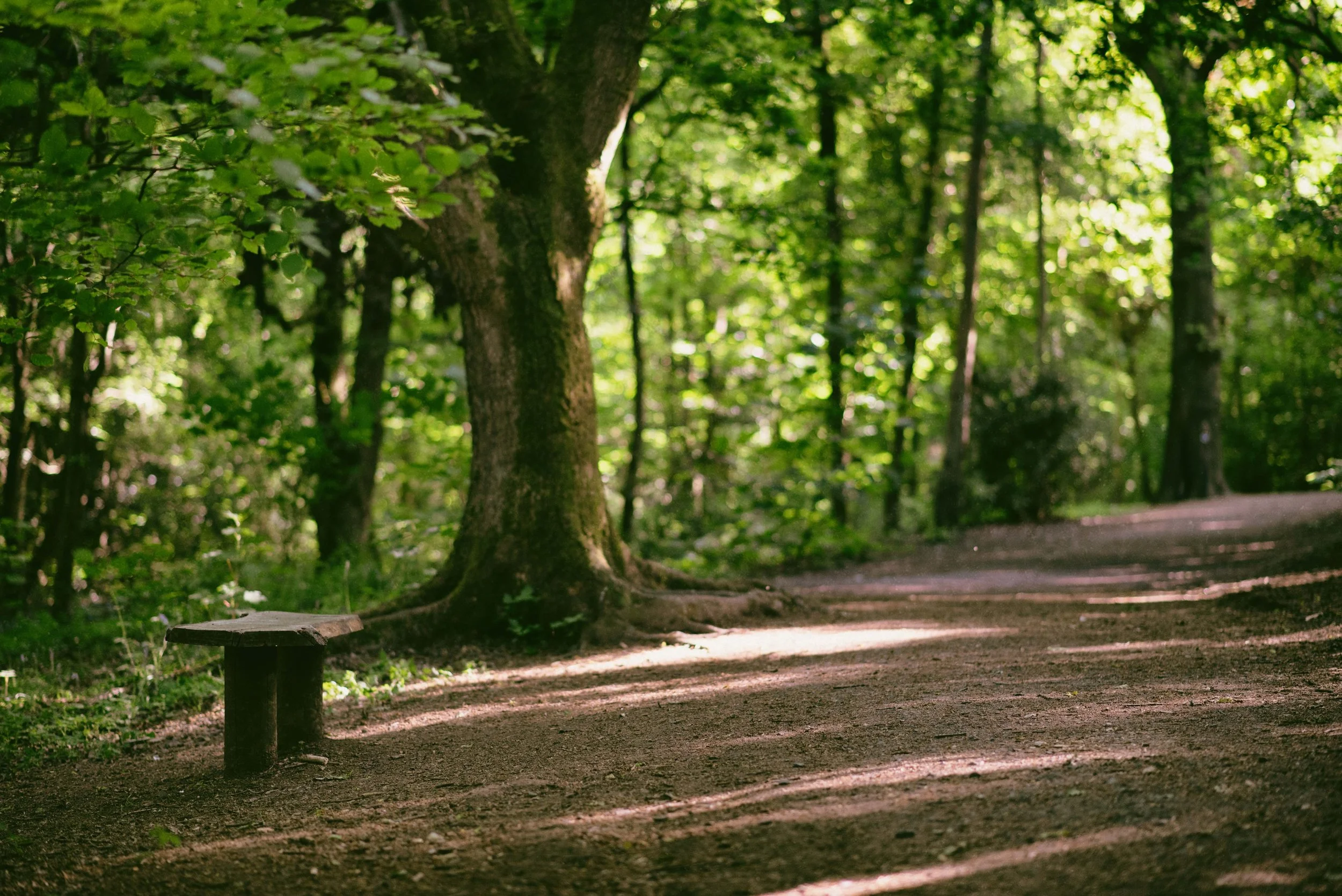
School Aycliffe and The Chestnuts
School Aycliffe originates from a medieval estate owned by a Viking named Scula. Historically a small agricultural cluster, it developed significantly in the 1930s with the construction of the School Aycliffe Mental Colony (later Aycliffe Hospital) and expanded further with post-war residential housing.
Viking Roots: The name "School Aycliffe" is derived from a Viking landowner named Scula (or Scule), who acquired part of the Saxon estate of Acley (Aycliffe).
School Aycliffe is located about ¼ mile south-west of Newton Aycliffe and ¾ mile north-west of Heighington. The village is divided by School Aycliffe Lane. The north side is the older part of the village and The 'Chestnuts' housing estate on the south side is in the Civil Parish of Heighington, and part of the Borough of Darlington. Historically, School Aycliffe was part of the ancient Parish of Heighington in County Durham.
Source: Co-Curate
Early Settlement:
Until the 1920s-30s, it was a tiny settlement, described as a few houses west of Aycliffe Village.
Aycliffe Hospital (1936):
The foundation stone for the "School Aycliffe Mental Colony" was laid in 1936. This site consisted of houses, a school, and a workroom, later becoming Aycliffe Hospital, which became a focal point of the area until its closure in the 1990s.
Modern Development:
Following the closure of the hospital, the area was developed into residential housing, notably "The Chestnuts" estate on the southern side.
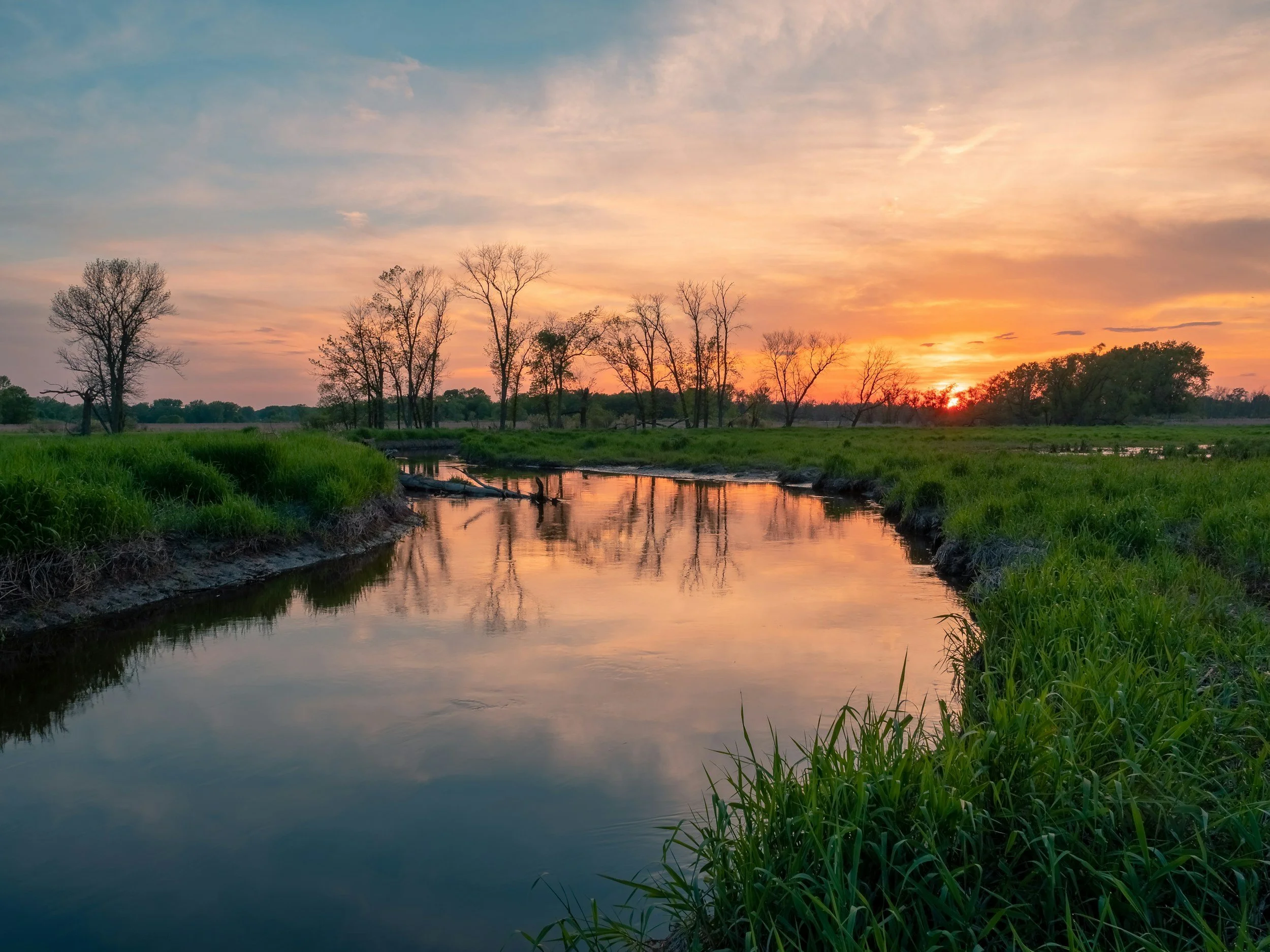
School Aycliffe Wetlands
The site has a variety of wildlife including fauna such as kingfishers, great spotted woodpecker and water voles. .
The wetlands are mainly located to the north of Burnyngill Close in School Aycliffe and south of the Oakleaf Golf Complex.
The best location for parking is in the community centre car park which is situated off Eastfields Road.
School Aycliffe Wetland and Woodland comprises approximately 8 hectares of land, which descends to the north where Redhouse Beck defines the boundary.
The wetland supports a range of habitat types, including wetland, carr, scrub, woodland, meadow and a beck.
The site has a variety of wildlife including fauna such as kingfishers, great spotted woodpecker and water voles. Of particular flora interest is the small temporary wetland located adjacent to Redhouse Beck in the north east of the site which includes tufted hair grass, soft rush, reed, meadow sweet, bulbous buttercup and greater willow herb.
The substantial permanent pond has a rich variety of invertebrate and amphibian species.
The woodland contains many species including crack willow, alder, cherry, horse chestnut and oak.
Source: Great Aycliffe Town Council
Illustration
“This place, anciently called Scholacley, gave name to a resident family, of whom John de Scholacley died in 1350; it was a manor belonging to the Nevills, and was granted in 1411 by Lord Nevill to Robert De Binchester, to be held of the bishop by military service, suit at the head courts of the county, and a payment yearly to the Durham exchequer. The vicarial tithes have been commuted for £74. 16.”