Redworth
The village of Redworth was first recorded in 1138.
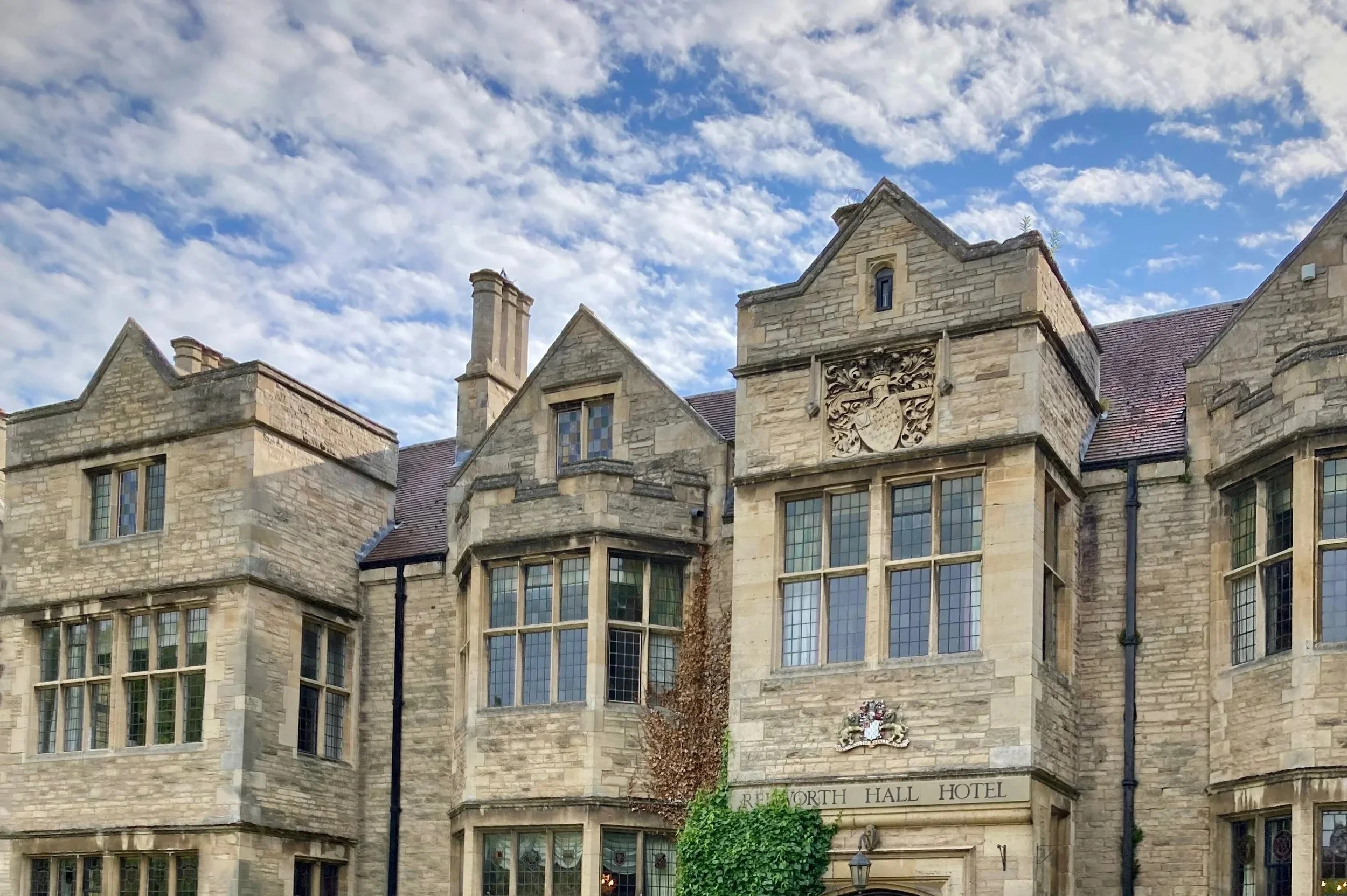
Its name comes from the Old English for “farm enclosure where the reeds grow”. Central to the village is Redworth hall, a 17th century house which remained in the Surtees family until the 20th century when it was converted into a hotel. However, Redworth Hall is not the earliest surviving evidence for past times in the village. A stone hammer of probable Neolithic or Bronze Age date has been found. This may have been used to clear trees in order that the first fields could be ploughed. Another similar hammer was found in the grounds of the Redworth Hall in 1899. Although we have these simple stone objects, the earliest settlements of the people who would have used them have not survived. However, we do have the possible remains of a Iron Age settlements. A local farmer noticed the cropmarks of three potential hut circles- all that remained of simple round houses. Despite these early remains, we know very little else about the village until the medieval period. The village of Redworth itself is probably of medieval origin, though it is likely that there may have been a settlement here during the Anglo-Saxon period. Redworth Hall was built in the 17th century, though it is possible that it was on the site of an earlier, medieval manor house. It is now a hotel with an amazing range of facilities.
Source: Keys To The Past
Early history and settlements
Prehistoric Presence
Evidence of ancient activity includes Stone Age and Bronze Age finds, such as stone hammers discovered in the village and near Redworth Hall.
Ancient Fortifications
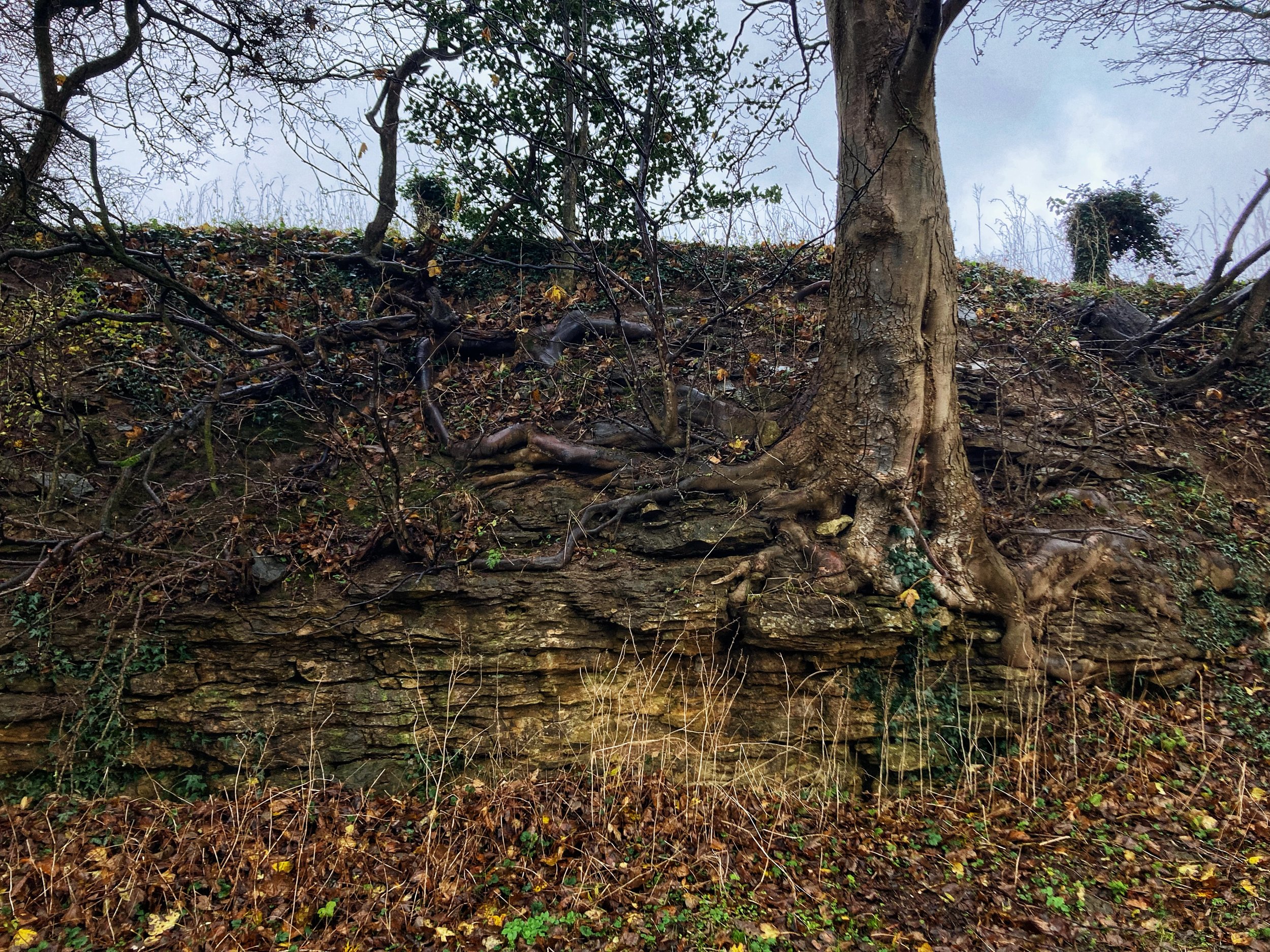
Redworth Wood contains the remains of a probable Iron Age settlement or a Danish fortification known as Shackleton, featuring triple embankments.
Medieval Growth
While likely an Anglo-Saxon settlement, the village flourished in the medieval period as a township within the ancient parish of Heighington.
Redworth Hall and the Surtees Family
The hall was the ancestral home of the Surtees family for over 250 years.
It is well-known for its local legends and hauntings, including the story of a child walking the corridors and a tragedy involving a former lord and a scullery maid.
The village's development was deeply tied to Redworth Hall, a 17th-century Jacobean manor built in 1693 by George and Eleanor Crosier.
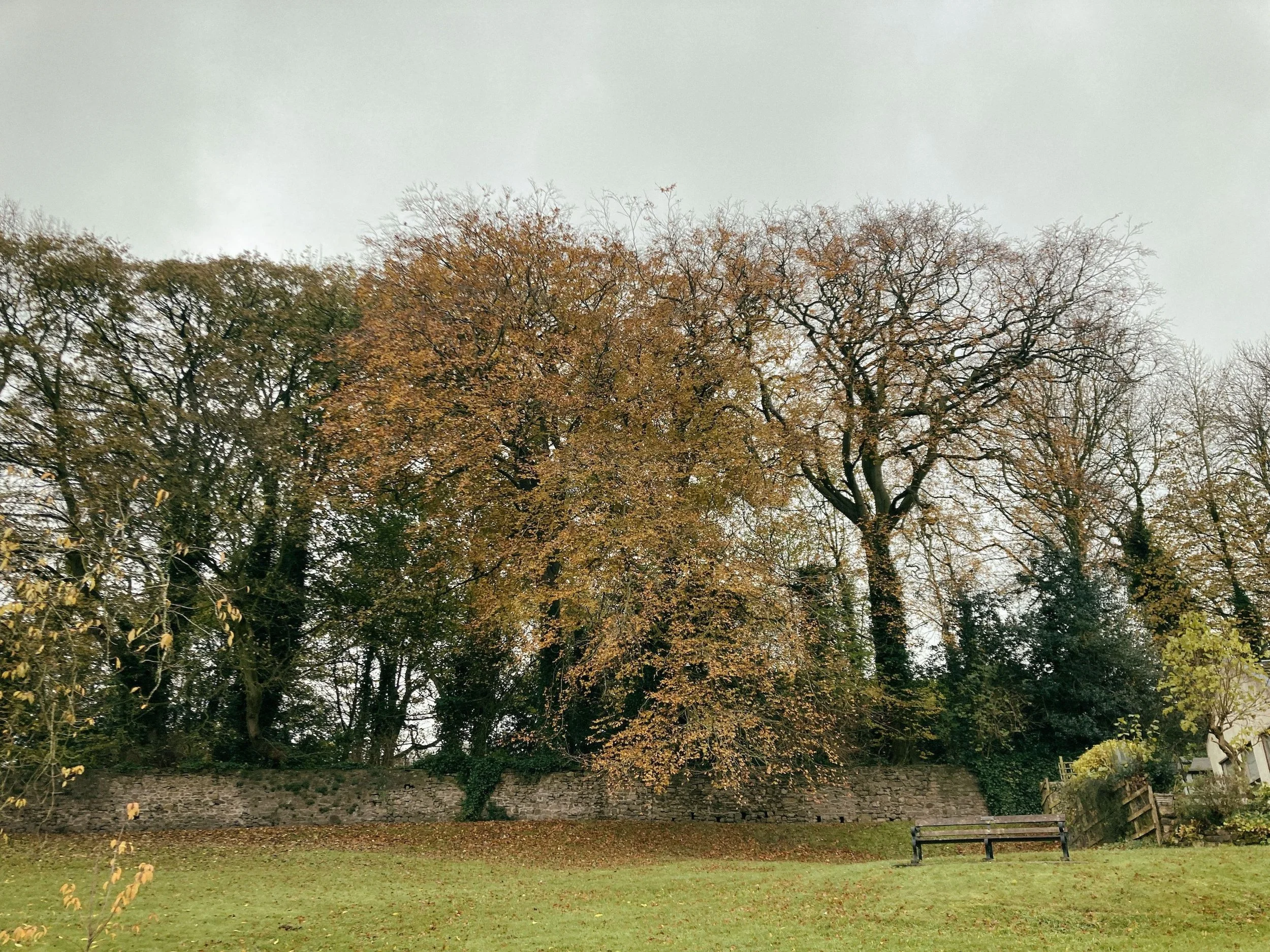
The Surtees Era: In 1744, the hall was acquired by the Surtees family, prominent landowners who influenced much of the village’s layout. Local legend suggests Robert Surtees moved village houses down the hill because they obstructed his view of the countryside.
Economic Support: Under the family's patronage, 19th-century Redworth supported two public houses (the Pack Horse Inn and the Surtees Arms), a blacksmith, a grocer, and its own post office.
Modern Transition: The hall remained with the Surtees until 1950. It later served as a residential school before being converted into the current luxury hotel and spa in 1987.